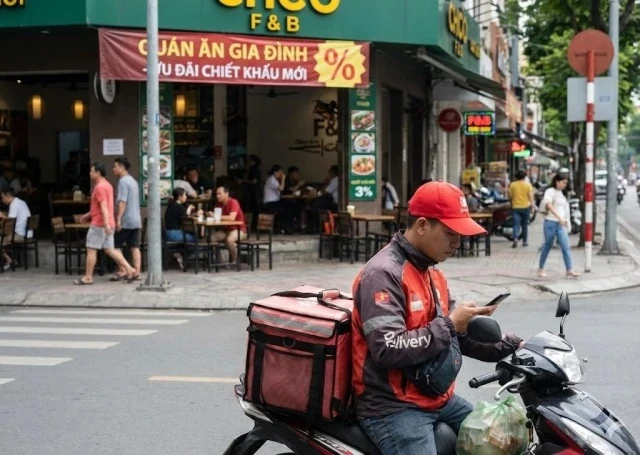









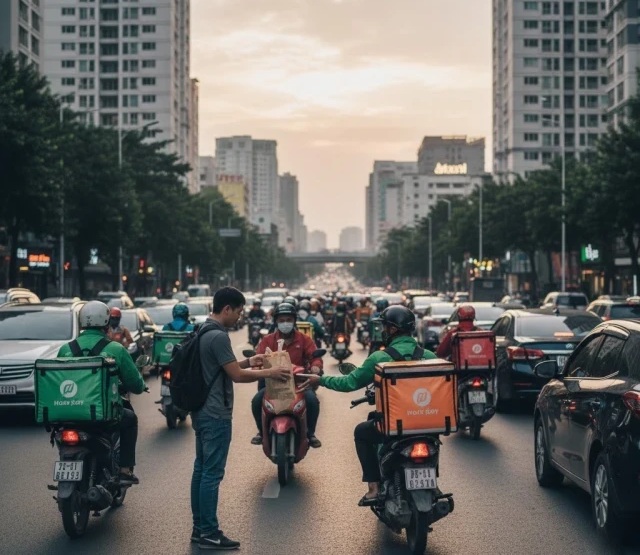
The food delivery industry, once a luxury service, has evolved into an essential daily utility, fundamentally changing how restaurants operate and how consumers eat.
The Convenience Economy
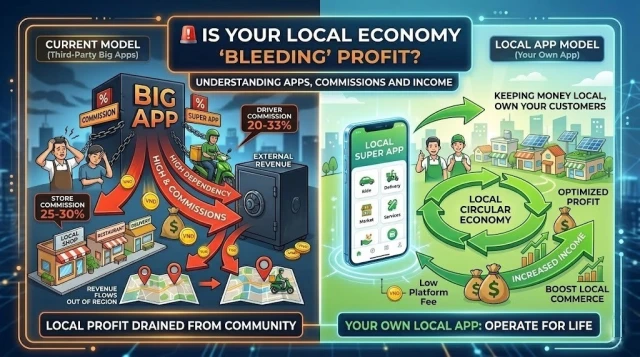
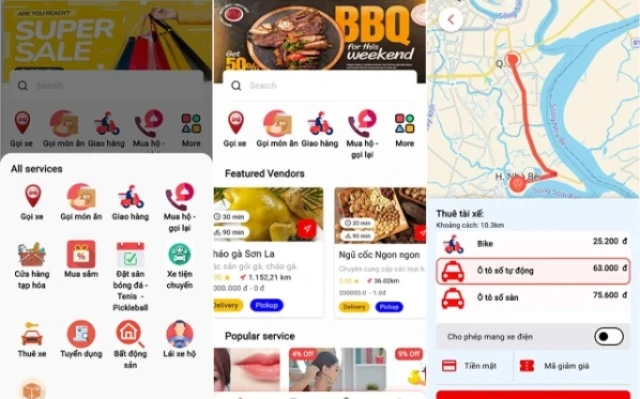
Driven by platforms like GrabFood, ShopeeFood, and Baemin, the food delivery market has seen exponential growth. What started as a way to avoid traffic and rain has turned into a lifestyle. Consumers now have access to thousands of kitchens—from high-end bistros to hidden street food gems—all within a single app.
The Rise of "Cloud Kitchens"
Perhaps the most significant impact of this trend is the emergence of Cloud Kitchens (or Ghost Kitchens). These are professional food preparation facilities with no dine-in space, dedicated entirely to delivery orders. This model allows entrepreneurs to launch food brands with minimal overhead costs, focusing purely on taste and delivery speed.
Tech-Powered Dining
Behind every order is a complex algorithm. These apps use Big Data and AI to:
-
Predict Demand: Ensuring enough drivers are available in "hotspots" during lunch or dinner rushes.
-
Optimize Routes: Finding the fastest path to keep the food hot and the delivery time short.
-
Personalized Recommendations: Suggesting your favorite bubble tea or fried chicken based on your order history.
Sustainability and the Future
As the industry matures, the focus is shifting toward sustainability. Reducing single-use plastics and transitioning to electric motorbikes for delivery are becoming top priorities for major platforms. Despite the challenges of high competition and thin margins, the "delivery-first" mindset is here to stay.
- food delivery app trends ,
- digital culinary revolution ,
- future of dining ,
- ghost kitchens ,
- cloud kitchens ,
- online food ordering impact ,
- restaurant business transformation ,
- food tech evolution ,
- consumer dining habits ,
- mobile food apps ,
- contactless delivery ,
- restaurant digitization ,
- hyperlocal food delivery ,
- ODSBase food solutions ,
- culinary technology.
Share :
Random Posts