








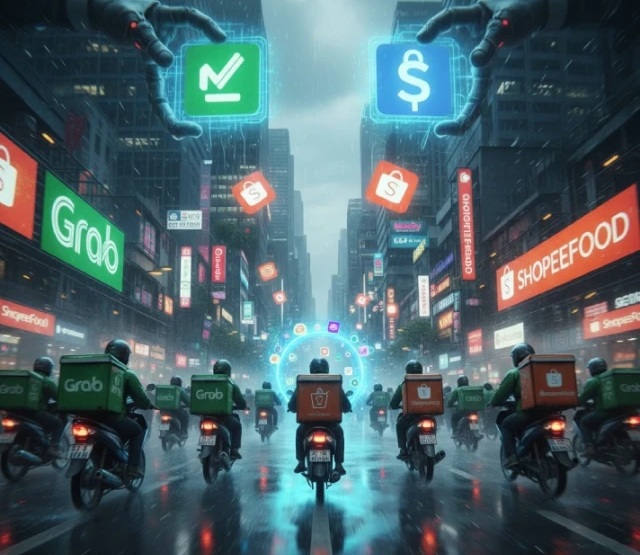
Dominated by major players such as Grab and ShopeeFood, the industry appears to leave little room for smaller applications to survive—let alone thrive. Yet, in every highly concentrated market, opportunities still exist for those who can identify and exploit the “narrow doors” left open.
Market Dominance of the Giants
Grab and ShopeeFood benefit from massive user bases, strong financial backing, and integrated ecosystems. Their competitive advantages include:
-
Large-scale logistics networks
-
Strong brand recognition
-
Aggressive promotional campaigns
-
Integrated payment systems and loyalty programs
-
Cross-service ecosystems (ride-hailing, e-commerce, digital wallets)
These strengths create high barriers to entry for smaller platforms. Heavy discount strategies and commission structures also put pressure on restaurants and new entrants.
The Challenges Facing Smaller Apps
Small and local food delivery startups often struggle with:
-
Limited marketing budgets
-
Smaller delivery fleets
-
Lower brand trust
-
Difficulty attracting restaurant partners
-
Thin profit margins due to price competition
Without differentiation, competing head-on with industry leaders is rarely sustainable.
The “Narrow Doors” of Opportunity
Despite these challenges, smaller apps can still find viable pathways to growth by focusing on strategic niches and localized advantages.
1. Hyper-Local Focus
Instead of competing nationally, smaller apps can dominate specific provinces, districts, or communities. By deeply understanding local habits, cuisine preferences, and peak demand hours, they can deliver more personalized service.
2. Lower Commission Models
Many restaurants complain about high commission fees charged by large platforms. Smaller apps can position themselves as restaurant-friendly alternatives with fairer pricing structures and transparent policies.
3. Specialized Niches
Focusing on niche segments—such as healthy meals, home-cooked food, late-night delivery, or campus-only services—can reduce direct competition with mainstream giants.
4. Strong Community Relationships
Building close partnerships with local restaurants, drivers, and customers can create loyalty that large platforms struggle to replicate. Community-based branding and trust can be powerful assets.
5. Integrated Multi-Service Ecosystems
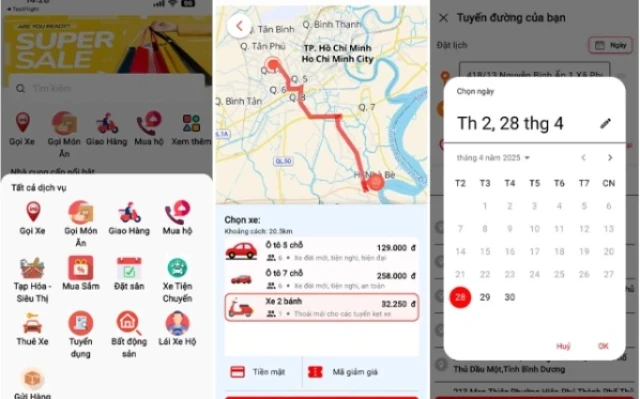
Instead of being a pure food delivery app, smaller platforms can combine services such as ride-hailing, parcel delivery, grocery shopping, and service booking into one unified local ecosystem. This diversified model reduces dependency on a single revenue stream.
Technology as a Lever
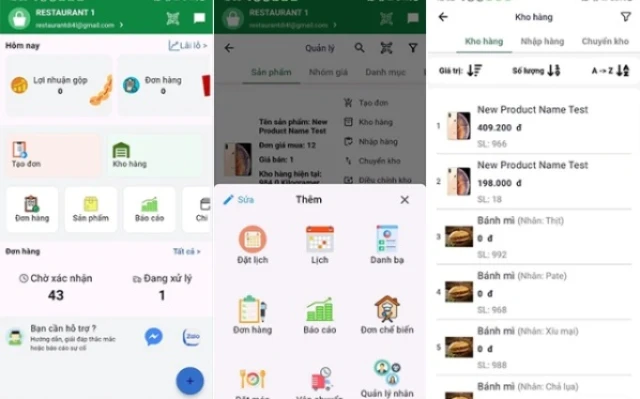
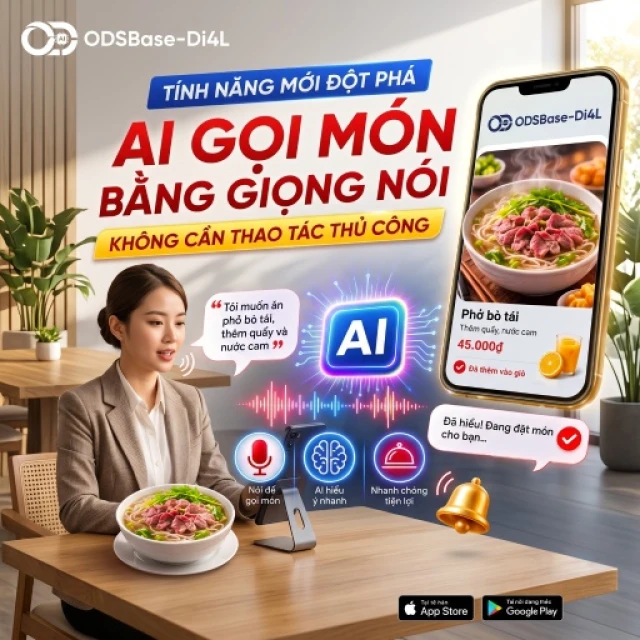
Cloud-based infrastructure, AI-powered route optimization, and white-label solutions now make it easier and more affordable for startups to launch and operate. By leveraging technology efficiently, smaller apps can minimize operational costs and scale strategically.
Collaboration Over Confrontation
Another strategy is collaboration rather than direct confrontation. Smaller platforms can partner with local governments, cooperatives, or merchant associations to create regionally tailored digital ecosystems that serve community needs.
Conclusion
The food delivery war in Vietnam is undeniably fierce. Competing directly with giants like Grab and ShopeeFood is a daunting challenge. However, survival does not require defeating them—it requires differentiation.
For small applications, the path forward lies in specialization, localization, operational efficiency, and community-driven value. In a market dominated by giants, the “narrow door” may be small—but for agile and strategic players, it is far from closed.
- niche market strategy ,
- small app competition ,
- food delivery giants ,
- Grab vs ShopeeFood ,
- hyperlocal delivery ,
- white-label app solutions ,
- delivery app startup ,
- compete with big tech ,
- independent delivery brand ,
- localized super app ,
- low commission delivery ,
- delivery market gap ,
- startup survival strategy ,
- ODSBase business model ,
- digital transformation for SMEs.
Share :
Random Posts