








A New Era of Commuting
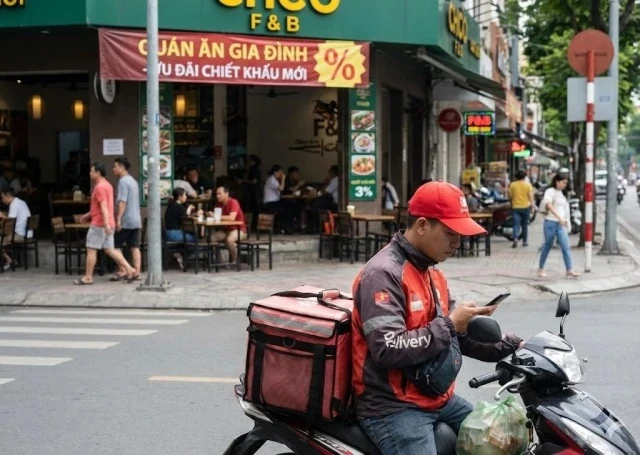
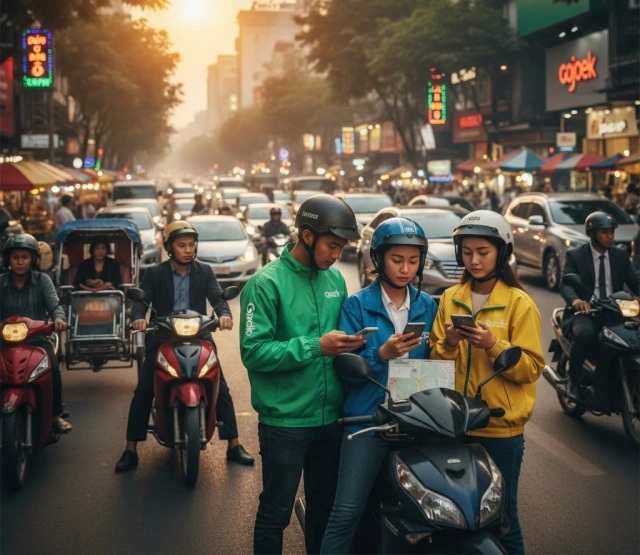
For decades, traditional "Xe ôm" drivers were the primary mode of quick transport in cities like Hanoi and Ho Chi Minh City. However, the arrival of tech giants such as Grab, Gojek, and local players like Be has completely transformed the industry. With just a few taps on a smartphone, passengers can book a ride, track their driver in real-time, and know the exact fare upfront.
Why It’s Taking Over
The success of tech-based motorbikes stems from three core pillars: Transparency, Safety, and Efficiency. * Transparency: No more haggling over prices. The app calculates the fare based on distance and demand.
-
Safety: Every trip is GPS-tracked, and driver identities are verified, providing a layer of security that was previously missing.
-
Efficiency: In gridlocked traffic, motorbikes can navigate narrow alleys and congested lanes much faster than cars or buses.
Challenges and the Road Ahead
Despite its popularity, the industry faces significant hurdles. Rising fuel costs and high commission fees have put pressure on drivers’ incomes. Furthermore, the rapid growth of these services has sparked debates over social insurance and labor rights for "gig economy" workers.
As cities move toward a "smart city" model, ride-hailing platforms are diversifying. They are no longer just about transport; they have evolved into "Super Apps," offering food delivery, grocery shopping, and digital payments.
- ride-hailing motorbikes ,
- motorbike taxi revolution ,
- urban transport solutions ,
- bike-hailing app ,
- motorcycle taxi technology ,
- two-wheel mobility ,
- city traffic solutions ,
- on-demand bike ride ,
- affordable urban travel ,
- last-mile delivery ,
- smart transport ecosystem ,
- Di4L mobility services ,
- tech-based commuting ,
- motorbike taxi market trends ,
- ODSBase transportation.
Share :
Random Posts